How we build and check our content
Every question on Ready Aviator comes from a named source, worked solutions are checked by a second reviewer that did not write them, and the arithmetic wins over any book's answer key.
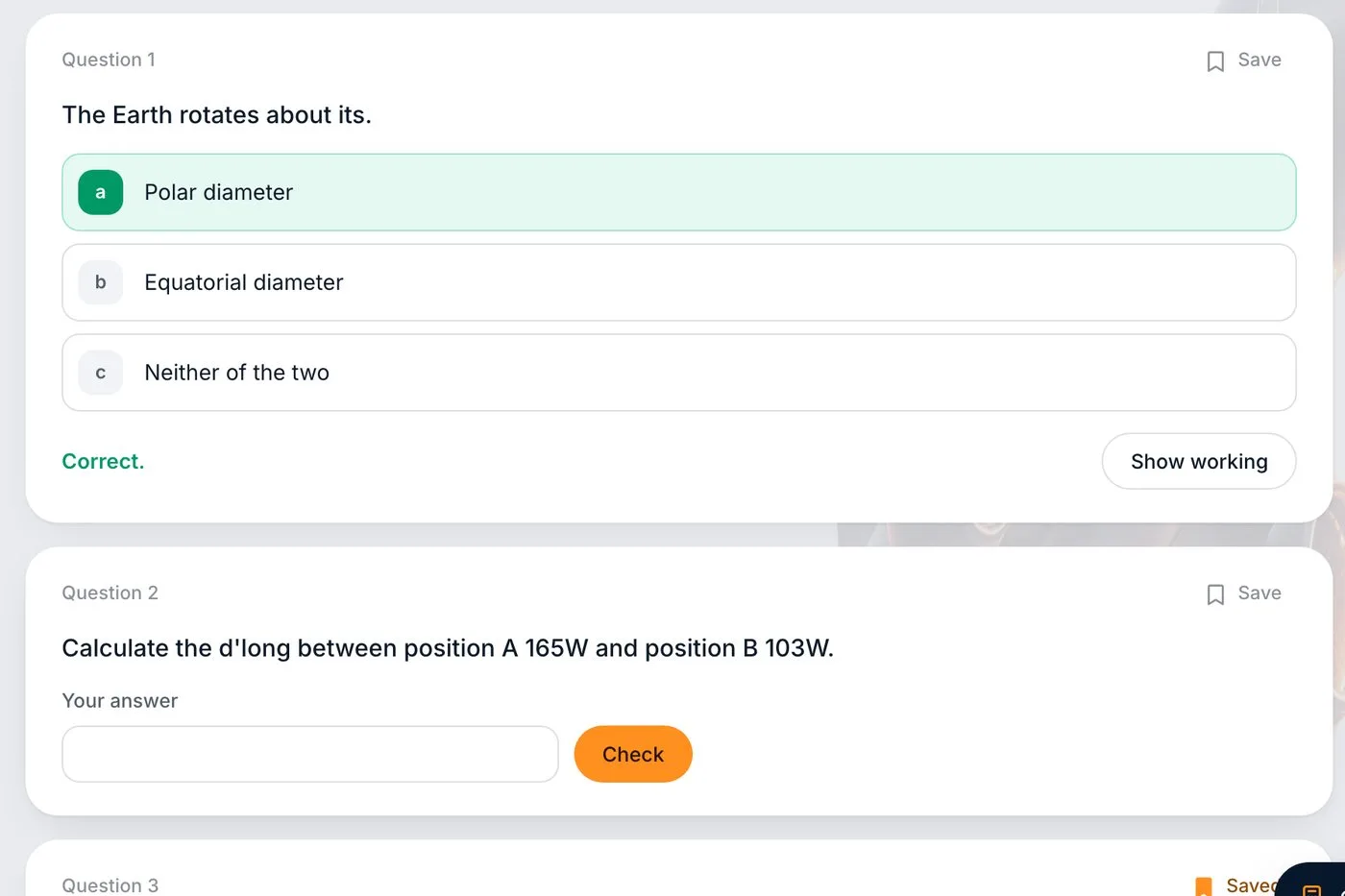
- Sources. Every question comes from a named source: the textbooks the DGCA papers draw on, or the real sitting a past paper comes from.
- Independent review. Worked solutions are reviewed by a second, separate reviewer before they ship. Nothing is approved by whoever wrote it.
- Arithmetic first. The arithmetic is worked again, and it wins over any book's answer key. Where a key is wrong, we teach the correct answer and record the difference.
- Automatic checks. The numbers an animation uses are traced to the question's own text, and it must land cleanly on the correct option.
- Corrections. Write to hello@readyaviator.com with the question. If we are wrong, the live question or its solution is fixed.
Where the questions come from
The question bank is arranged the way the papers are studied: by subject, then by the textbook a question comes from, then chapter by chapter. Past papers are listed by the sitting they were set in.
Every question that arrived through an import carries a record of its source and its batch, so a whole source can be checked, corrected or withdrawn from every student page at once.
Worked methods behind every answer
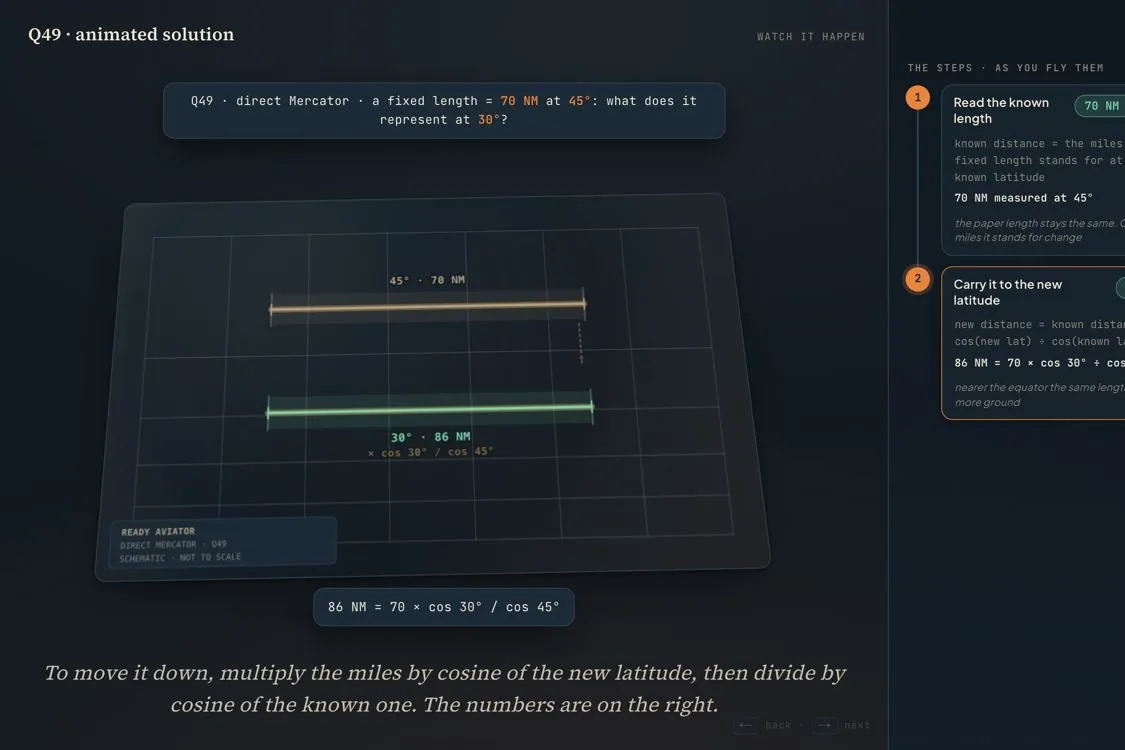
A worked solution shows how the answer is reached: the rule or formula, the working with the question's own numbers, and for calculations the flight computer method. The harder Air Navigation calculations also play as animations that solve the question on screen.
A term is taught in the words the real exam uses. If a word never appears in the exam questions, we do not introduce it.
A second reviewer that did not write it
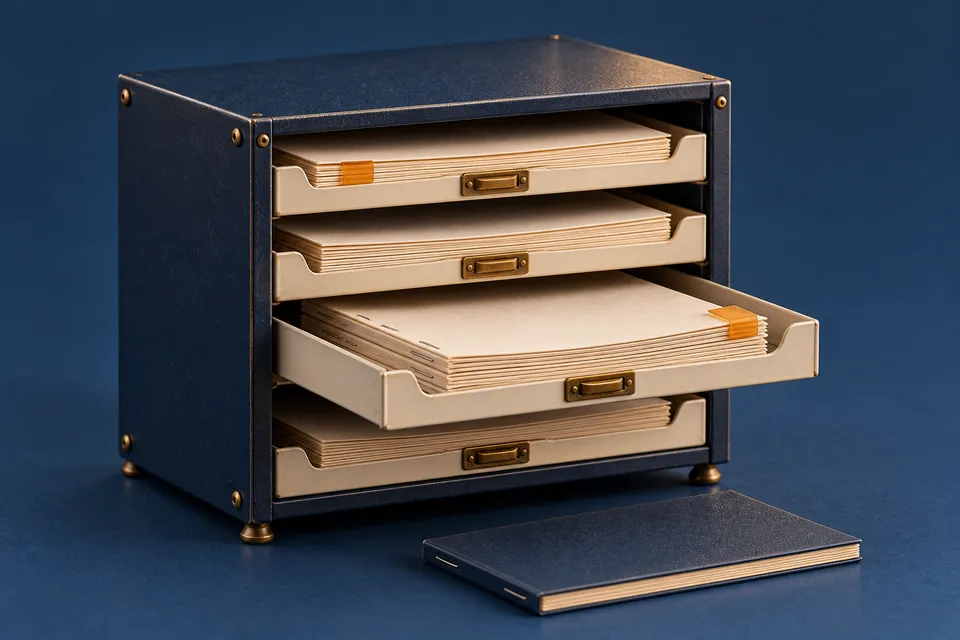
Nothing is approved by whoever wrote it. Every worked solution we author is reviewed by a second, separate reviewer before it ships, against the question and its source.
The arithmetic is worked again from the question's own numbers. When a book's answer key is built on broken arithmetic, the mathematics wins: we teach the answer the working actually gives and record the discrepancy.
What is checked automatically
Before a new animation ships, three checks run without anyone having to remember them.
- Every number an animation reads off a question must be found in that question's own text or table, or the animation is held back.
- Its result must land on the correct option, clearly closer to it than to any wrong one, or it goes back for review.
- Near-duplicate questions are found and merged, so the bank does not count or serve the same question twice.
How to report an error, and what happens
Write to hello@readyaviator.com with a link to the question, or its subject, chapter and number, and say what looks wrong. We check it against the source and the arithmetic.
If the error is ours, the question or its worked solution is corrected on the live bank, so every student sees the fix. If the source itself is wrong, we keep the correct answer and note the difference.
Why our terms still carry a disclaimer
Our terms of service describe Ready Aviator as a supplementary study aid, to be used alongside the official textbooks, and say we cannot warrant that every question is free of errors. Any question bank should say that.
The checks described here are the other half: how we keep errors rare and how a reported one is fixed.
See the working for yourself
Free sample questions in many chapters, with the answer shown and no account needed.