RTR exam: Part 1 and Part 2
RTR(A) is a radio licence rather than one of the DGCA theory papers. DGCA now conducts it in two parts: a written paper you book on the Pariksha portal, and a practical in front of an examiner, booked on eGCA.
Ready Aviator · Updated 24 October 2026
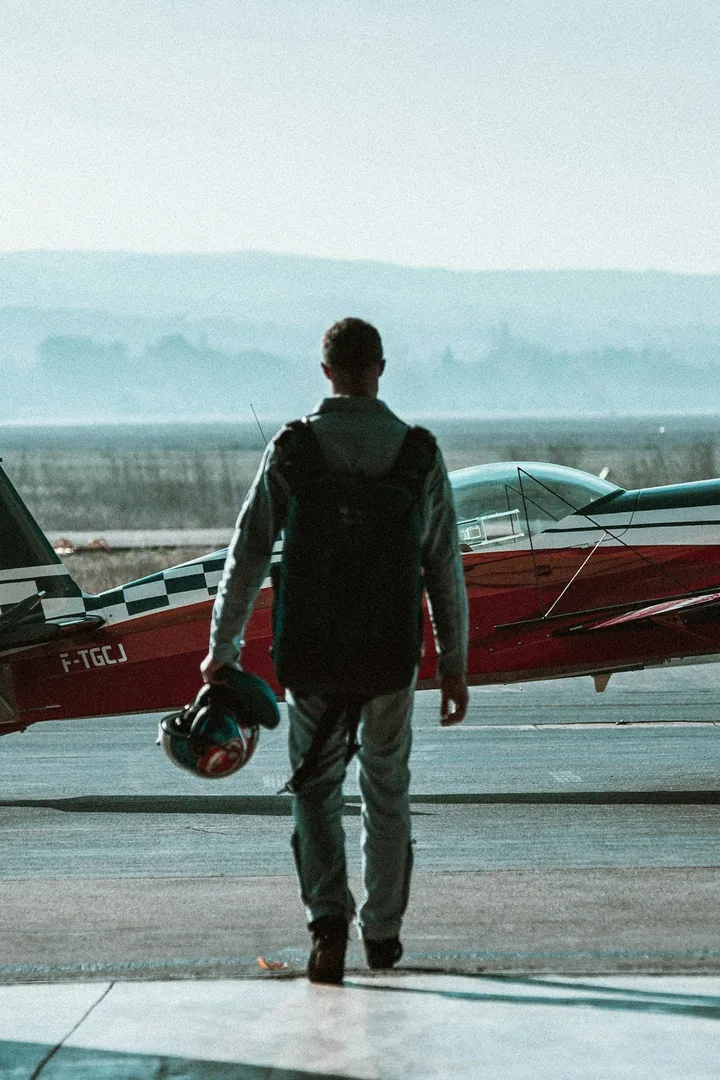
A radio licence, not a theory paper
RTR(A) is the Restricted Radiotelephony Operator certificate for aeronautical use. It lets you operate an aircraft radio. You take it alongside the DGCA theory papers, as a separate exam with its own two parts.
Under the Radio Telephone Operator (Restricted) Certificate and Licence Rules, 2025, DGCA took over the exam from the WPC wing of the Ministry of Communications.
Part 1 against Part 2
Two different exams, and you prepare for each one differently.
Four steps through RTR(A)
- 1Register the written paper on Pariksha
You book the written paper on the Pariksha portal with your DGCA Computer Number. It is 50 multiple choice questions in English, and you need 70 per cent.
You need to be 16 or older and to have passed Class 10. The written runs in both regular and on-demand sessions, at ₹2,000 a paper in either. A pass is valid for three years. You book the practical on eGCA inside that time.
- 2Work the Radio Telephony bank for Part 1
Part 1 rewards volume and accuracy. Work the Radio Telephony bank chapter by chapter and read the worked solution for every question you get wrong.
One part of the syllabus is RT phraseology from ICAO Doc 9432, including how numbers are spoken. Sample questions in many chapters are free to read, with no account.
- 3Say the calls out loud for Part 2
Start with the phraseology library, laid out by phase of flight. Then read the worked calls: each exchange in full, your transmission and the controller's reply, by phase of flight.
The voice simulator is where you say the calls out loud and get them assessed. Every account gets 2 free attempts on two set papers, and Pro gets 30 a month on any paper. The library and the worked calls are free.
What goes wrong. Students only ever read the calls. The examiner listens to you speak, and saying a phrase is much harder than recognising it.
- 4Work the radio as the pilot in front of the examiner
Part 2 is six scenarios of about 5 minutes each, one at a time. You work the radio as the pilot while the examiner plays Air Traffic Control.
You need 50 per cent, and you get three attempts. Missing a booked slot uses one. If you fail, you cannot sit again for six weeks from the exam date. The rule does not split the written from the practical.
Questions people ask
What is the RTR exam?
RTR(A) is the Restricted Radiotelephony Operator certificate for aeronautical use. It is the licence that lets you operate an aircraft radio, and it is separate from the DGCA theory papers. You sit it in two parts: a written paper and a practical.
Who can sit the RTR exam?
You need to be 16 or older and to have passed Class 10. The licence lasts until you turn 80.
Who conducts the RTR exam now?
DGCA. Under the Radio Telephone Operator (Restricted) Certificate and Licence Rules, 2025, DGCA took over conduct of the examination from the WPC wing of the Ministry of Communications. You book the written paper on the Pariksha portal and the practical on eGCA.
I hold a WPC certificate. What now?
A WPC certificate issued or renewed up to 15 July 2026 stays valid until it expires. Any renewal is now done by DGCA. To get a DGCA licence, apply on eGCA to skip the written, then pass the practical.
Who can skip the written?
You can apply on eGCA to skip it if you are an armed forces or Coast Guard pilot with 1,000 hours, if you hold a valid RTR issued by WPC, or if you hold a valid FRTOL (or equal) from a Commonwealth country or the Philippines. You still sit the practical, with three attempts in three years.
What is the RTR exam fee?
₹2,000 for each written attempt, paid on the Pariksha portal when you book, and ₹500 for each practical attempt, paid on eGCA. The licence costs ₹5,000 once you pass. These are the fees in the 2025 Rules.
What is the difference between RTR Part 1 and Part 2?
Part 1 is a written paper of 50 multiple choice questions on the regulations, radio principles and RT phraseology, and you need 70 per cent. Part 2 is practical: six scenarios in about 30 minutes, working the radio as the pilot while the examiner plays Air Traffic Control. You need 50 per cent.
Is RTR one of the five DGCA theory papers?
No. A CPL candidate sits Air Navigation, Aviation Meteorology, Air Regulation, Technical General and Technical Specific as theory papers. RTR(A) is a separate radio licence, taken alongside them.
Is the RTR exam tough?
It tests two different things. Part 1 needs 70 per cent on 50 written questions, which the Radio Telephony question bank prepares you for. Part 2 needs 50 per cent across six spoken scenarios, and it rewards calls you can say without stopping to think.
How do I prepare for the RTR exam?
For Part 1, work through the Radio Telephony question bank. For Part 2, learn the standard phraseology by phase of flight, read worked calls as whole exchanges, then say them out loud under time pressure. The phraseology library and the worked calls here are free, and the voice simulator gives every account 2 free attempts on two set papers. Pro gets 30 a month on any paper.
Start with the phraseology, out loud
The library and the worked calls are free, with no card. Read a phase, then say every call in it without looking.
Open RT practiceEverything here for RTR
Keep reading
Practise by subject
Sources: Pariksha notice, 22 Sep 2026; RTR Rules 2025, rules 6, 9, 10 and 11; CAR 7-G-VI, paras 5, 6.4, 7.2 and 7.4; DGCA notice, 6 Jul 2026.